
There is a small, simple magic in watching a film outdoors on a warm night, the sea somewhere close in the dark. In Sitges we call it cinema a la fresca — literally “cinema in the fresh air” — and every summer it turns a square, a beach or a marina into a screening room with no roof. If you are planning an evening around it, let me walk you through how it actually works here.
What cinema a la fresca means in Sitges
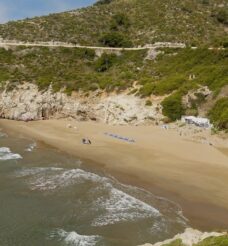
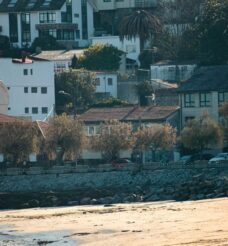
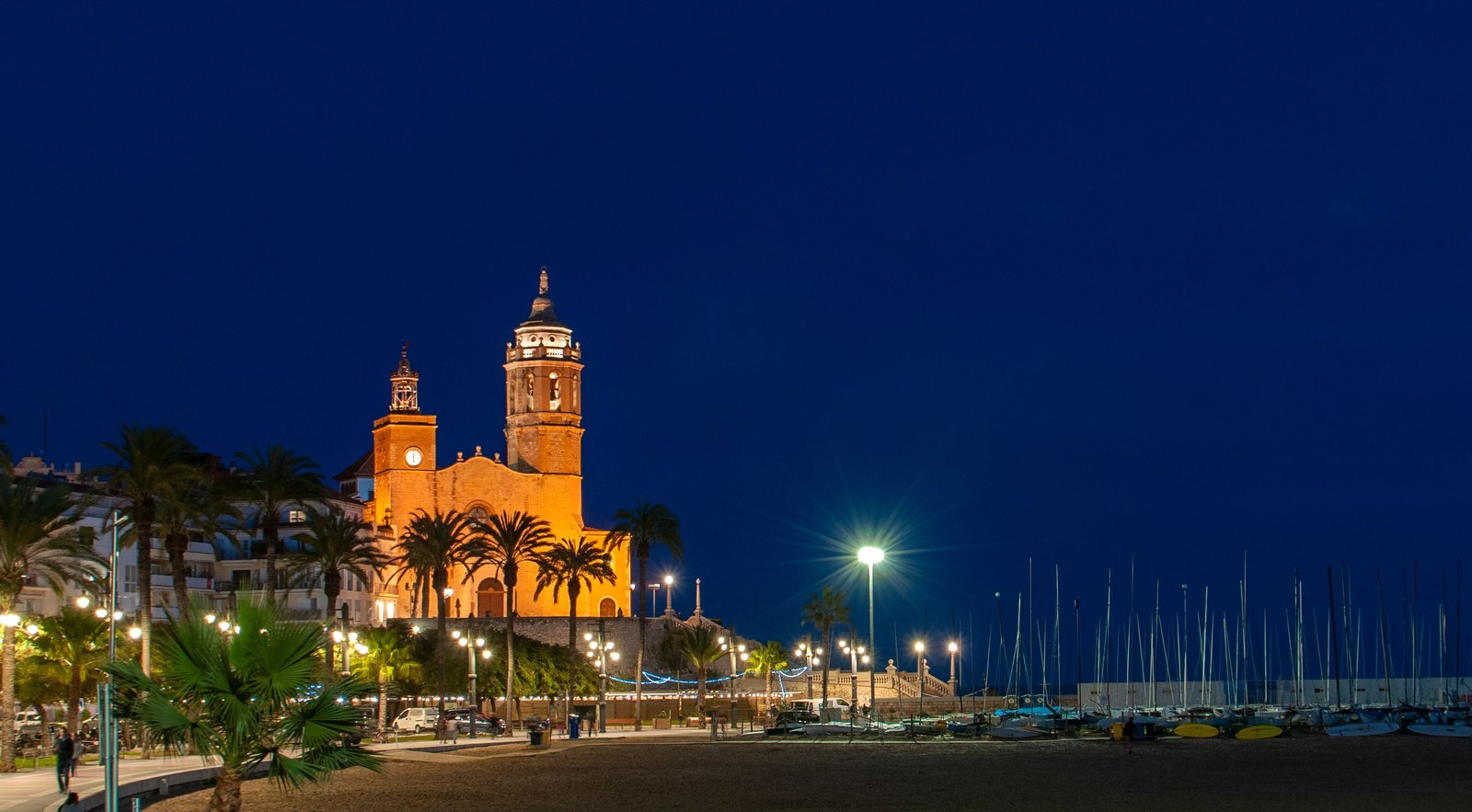
Sitges is a small town that lives outdoors from June to September, and its cultural agenda leans into that. The Ajuntament de Sitges programmes free open-air screenings through the warmer months, usually on Platja de la Fragata, the Sitges beach right below the church, and at Port d’Aiguadolç, the marina at the western edge of town. Bring a towel or a low chair, arrive with time to find a spot on the sand or the quay, and let the film start once the sky is properly dark — usually well after ten.
The programme is not fixed on a single recurring date; it is built fresh each year and published on the town’s own agenda. Recent editions have leaned on gentle, crowd-pleasing titles — an animated feature like Flow one year, a Catalan coming-of-age drama like L’edat imminent another — rather than blockbusters, which suits a screen propped up on the sand. If a particular evening matters to you, check the town’s own agenda on sitges.cat shortly before your trip rather than trusting an old flyer — venues and nights shift from one summer to the next.
Cineclub Sitges and the Festa Major screening
Alongside the municipal nights, Cineclub Sitges runs its own ticketed open-air session in the Hort de Can Falç, the walled garden tucked into the old town, timed to Festa Major in late August. It is a smaller, more festive affair: past editions have paired the film with a drink from the local La Sitgetana brewery and a bag of popcorn from Pip Pop, and one memorable night turned into a full sing-along screening of Bohemian Rhapsody. Tickets are inexpensive and sell through the cineclub’s own channels and the Cinema Prado box office in town, so it is worth asking at the tourist office once you are here.
The neighbouring hamlet of Garraf, just along the coast, folds its own cinema a la fresca night into its Festa Major too — a nice excuse for a short evening trip if you want to see how a village a tenth the size of Sitges throws the same tradition. Either way, arrive on foot: none of these spots is built for cars, and the walk home along a warm, quiet seafront is half the pleasure.
Making an evening of it
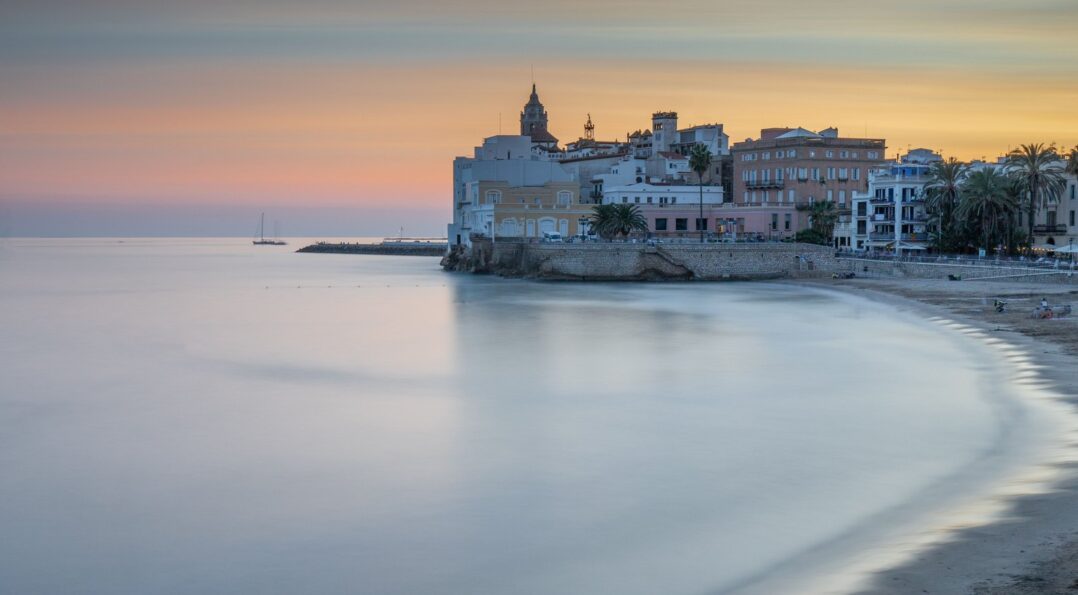
My honest advice: treat it as a picnic with a film attached, not a formal outing. Pack something to sit on, a light layer for once the sun goes down, and no expectations about subtitles — most beach and marina screenings run in the original language. Go early enough to watch the light fade over the water before the projector switches on; that half hour, with the old town lighting up behind you, is arguably the best part of the evening.
Families do well here: the mood is relaxed, children doze off on blankets long before the credits, and nobody minds a bit of noise from the back rows. If wind picks up along the beach, the screening sometimes shifts to the marina at short notice, so it is worth a quick check of the agenda on the day rather than assuming the venue from the week before. Grab something to drink beforehand at one of the chiringuitos along the promenade — there is no need to bring your own.
If cinema is what draws you to Sitges, pair a summer screening with the town’s other big film date: the Sitges Film Festival, held every October and one of the most respected genre festivals in Europe. Between the two, this small town spends a good part of the year with a screen up somewhere.
Every venue I have mentioned — the beach, the marina, the garden — is an easy walk from Hotel Noucentista, so you can head back for a proper night’s sleep the moment the credits roll. I hope to see you on the sand some summer evening, popcorn in hand.